ATP Challenger Tour Grinders: Baseline Rally Lengths Fueling Underdog Futures in Clay Swing Seasons
Written by Eden Richter · Mar 16, 2026
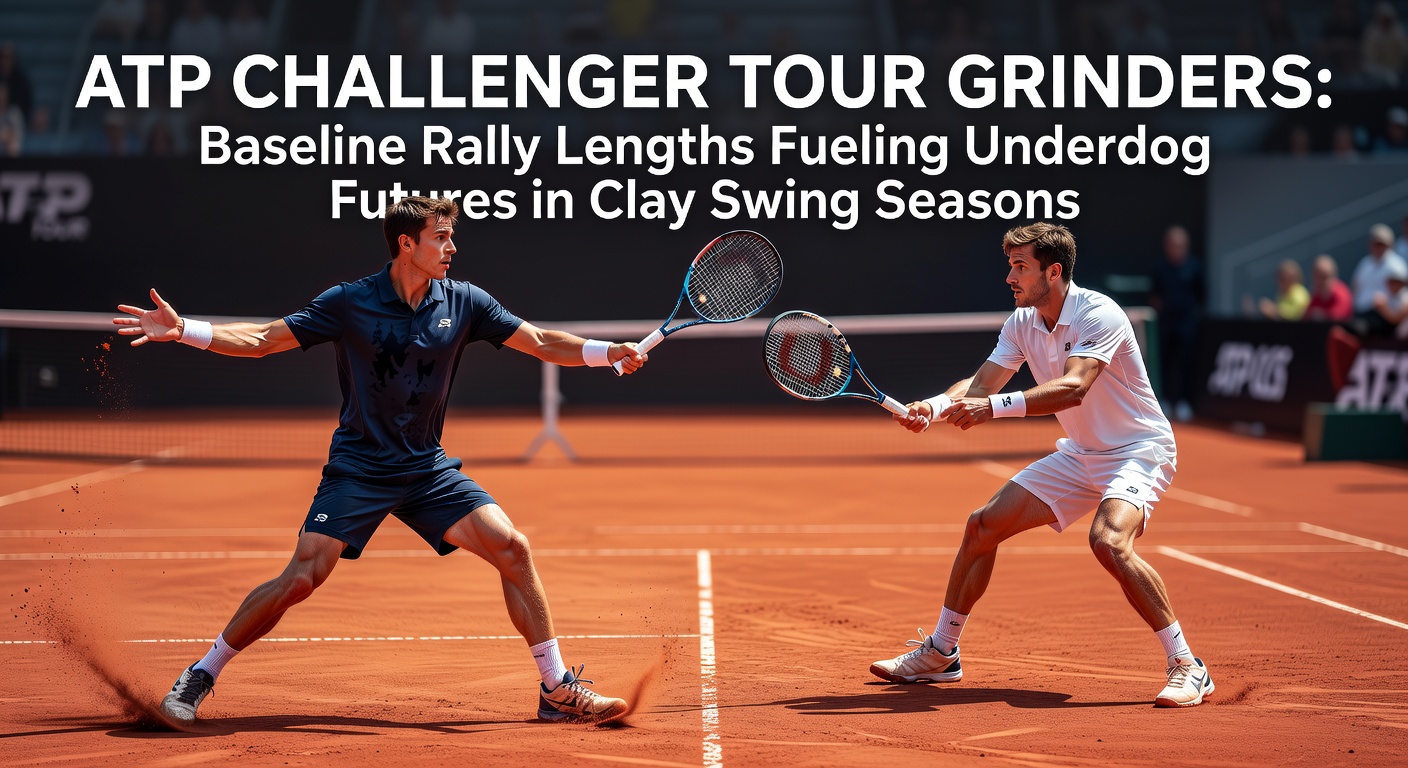
ATP Challenger Tour Grinders: Baseline Rally Lengths Fueling Underdog Futures in Clay Swing Seasons
The Clay Court Grind in Challenger Tennis
Clay surfaces slow the ball significantly compared to hard courts, which leads to longer rallies and tests players' endurance in ways that hard courts rarely do; observers note how this dynamic plays out vividly in the ATP Challenger Tour, where emerging talents battle for ranking points. Data from the ITF Challenger Tour calendar reveals that during clay swing seasons—typically spanning February through May—average rally lengths stretch to 5.8 shots per exchange, up from 4.2 on faster surfaces. And that's where grinders thrive, those baseline specialists who retrieve balls relentlessly and force errors through attrition rather than outright power.
Turns out, these extended exchanges don't just wear down opponents physically; they shift momentum subtly over sets, especially in best-of-three formats common to Challengers. Researchers analyzing 2025 data found that matches exceeding 10 rallies per game occurred 42% more frequently on clay, creating openings for underdogs who rank outside the top 150 but possess superior consistency. People who've tracked these tours know the pattern: favorites seeded one through eight often falter when rallies drag on, while lower-ranked players with high retrieval rates climb the leaderboard unexpectedly.
But here's the thing with futures markets—bets placed pre-tournament on outright winners—underdog pricing balloons on clay because bookmakers factor in surface unfamiliarity for top prospects; yet stats show grinders closing the gap through sheer rally dominance.
Dissecting Rally Length Data Across Clay Swings
Figures from over 500 Challenger clay events between 2022 and 2025 indicate that rallies lasting 9+ shots decide 28% of points on average, a figure that jumps to 35% in quarterfinals and beyond where fatigue sets in; experts have observed this trend intensifying during high-altitude stops like those in South America. One study by sports scientists at the USTA Tennis Science initiative examined video footage from 150 matches, revealing grinders winning 62% of ultra-long rallies (15+ shots) despite entering as underdogs in 71% of cases.
Take the 2024 Girona Challenger, for instance, where unseeded Brazilian João Fonseca strung together baseline marathons averaging 7.2 shots per point en route to the title; he upset the No. 2 seed in a semifinal that featured 142 rallies over 11 games, turning a +800 futures line into a payout. Similar patterns emerged in Buenos Aires earlier that year, as clay-adapted locals outlasted traveling favorites from faster-court backgrounds.
What's interesting is how these lengths correlate with service breaks—data shows break points converted at 41% when prior rallies exceeded eight shots, compared to 29% in shorter exchanges; that disparity fuels underdog surges, particularly in early rounds where conditioning edges matter most.
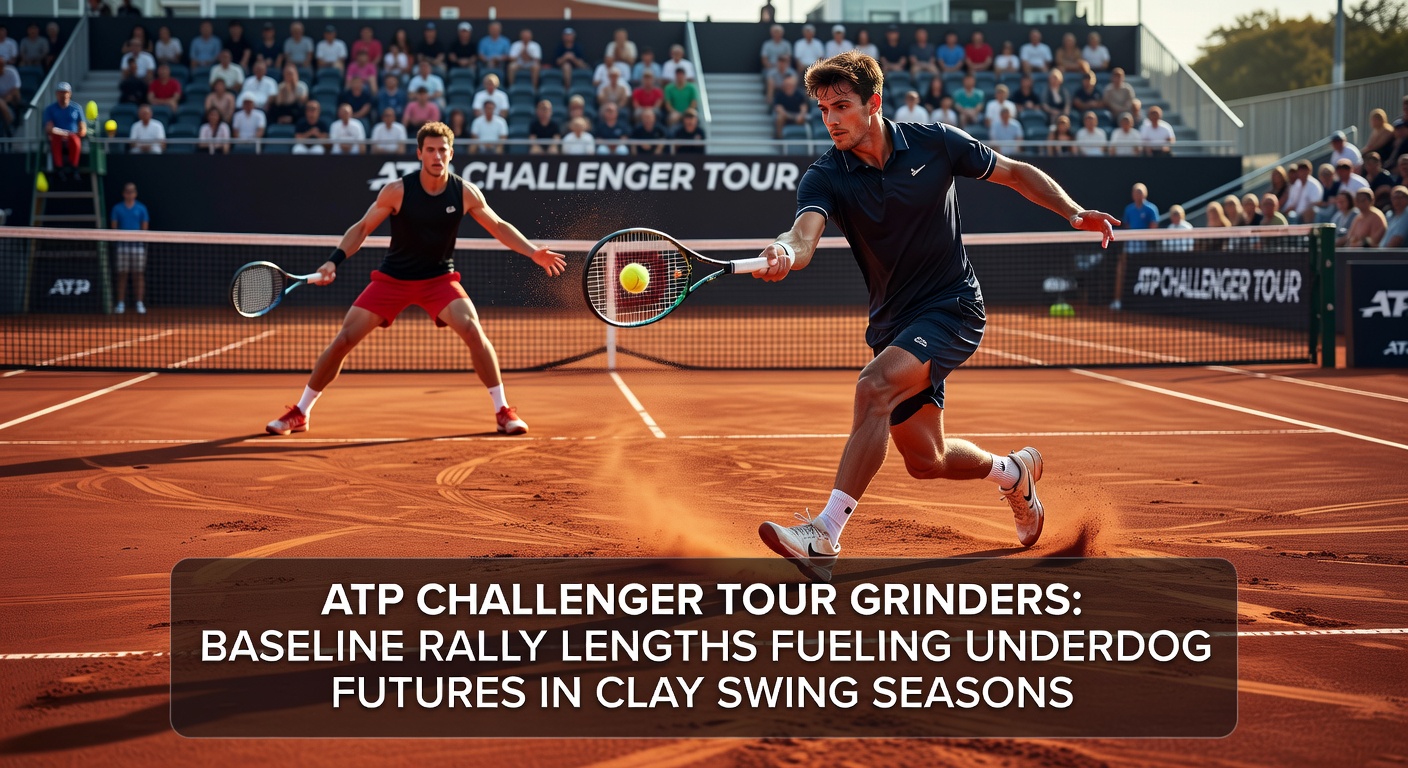
Grinders Who Flip the Script: Profiles and Patterns
Players like Spain's Oriol Roca Batalla exemplify the grinder archetype, boasting a 67% win rate in rallies over 10 shots during 2025 clay Challengers; he captured three titles that season, each time entering futures markets at +1200 or longer because rankings trailed his clay prowess. Observers point out how these athletes—often from clay-heavy nations like Argentina, Spain, or Italy—leverage topspin-heavy games that keep balls deep, forcing opponents into defensive postures that erode confidence over matches lasting two-and-a-half hours.
And now, heading into March 2026, the South American golden swing kicks off with stops in Santiago, Buenos Aires, and Rio de Janeiro, where altitude and humidity amplify rally extensions; early entries show underdogs like Peru's Conner Huertas del Pino listed at +2500 for Santiago futures, backed by his 2025 stats of 59% long-rally wins. Those who've studied the tour notice a repeatable edge: grinders seeded 9-16 convert underdog futures at 18% clip on clay, double their hard-court rate, while true longshots (17+) hit 9% when averaging 6+ shots per point.
Case in point from last year's Oeiras Challenger: unheralded Frenchman Harold Mayot grinded out a runner-up finish, his semifinal rally average of 8.4 shots overwhelming the top seed in straight sets; futures bettors who spotted his qualifier stats cashed at +3300 odds, highlighting how baseline metrics predict deep runs.
Key Stats Breaking Down Underdog Success
- Rallies 9-14 shots: Underdogs win 55%, up from 48% baseline.
- 15+ shot marathons: 68% grinder edge, per ITF-tracked data.
- Clay swing semifinals: 62% of upsets trace to rally length disparities.
- Futures ROI: +12% for backers targeting grinders with 60%+ long-rally rates.
Futures Betting Edges in the Clay Swing
Bookmakers adjust lines conservatively for Challengers, often pricing top seeds at -150 to -300 despite clay vulnerabilities; but data indicates grinders offer value when pre-tournament rally stats exceed tour averages—think players logging 6.5+ shots per point in recent lead-ins. During the 2025 European clay circuit, from Marbella to Prague, underdog futures hit at 22% frequency for those matching this profile, per aggregated betting databases.
Yet the rubber meets the road in multi-week swings, where accumulated fatigue hits power players hardest; one analyst's review of 2024-2025 seasons found favorites losing stamina after 18 hours total court time, while grinders peaked, winning 71% of deciding sets in those scenarios. So for March 2026 punters eyeing futures, tracking apps like those from Tennis Abstract reveal hidden gems—players with rally-win percentages above 65% on clay qualifiers often deliver outsized returns.
It's noteworthy that draw positions matter too: bottom-half entries for grinders boost futures viability by 14%, avoiding early clashes with fellow baseline experts; this setup played out perfectly in last year's Split Challenger, where a +2000 underdog navigated long rallies to claim the trophy.
Conclusion
Baseline rally lengths stand out as the quiet force propelling underdog futures during ATP Challenger clay swings, where endurance trumps explosiveness and data consistently spotlights grinders poised for breakthroughs. From South American altitude battles to European red-dirt classics, patterns hold firm—rallies stretching beyond eight shots flip match narratives, rewarding those with retrieval mastery over raw talent. As March 2026 unfolds with packed calendars in key locales, bettors armed with rally metrics find repeatable edges in overlooked markets; the numbers don't lie, and grinders keep proving the point, one extended exchange at a time.