Conference Tournament Timeout Clusters Reshaping Second-Half Spread Movements in Mid-Major College Basketball
Written by Morgan Koch · Aug 4, 2026
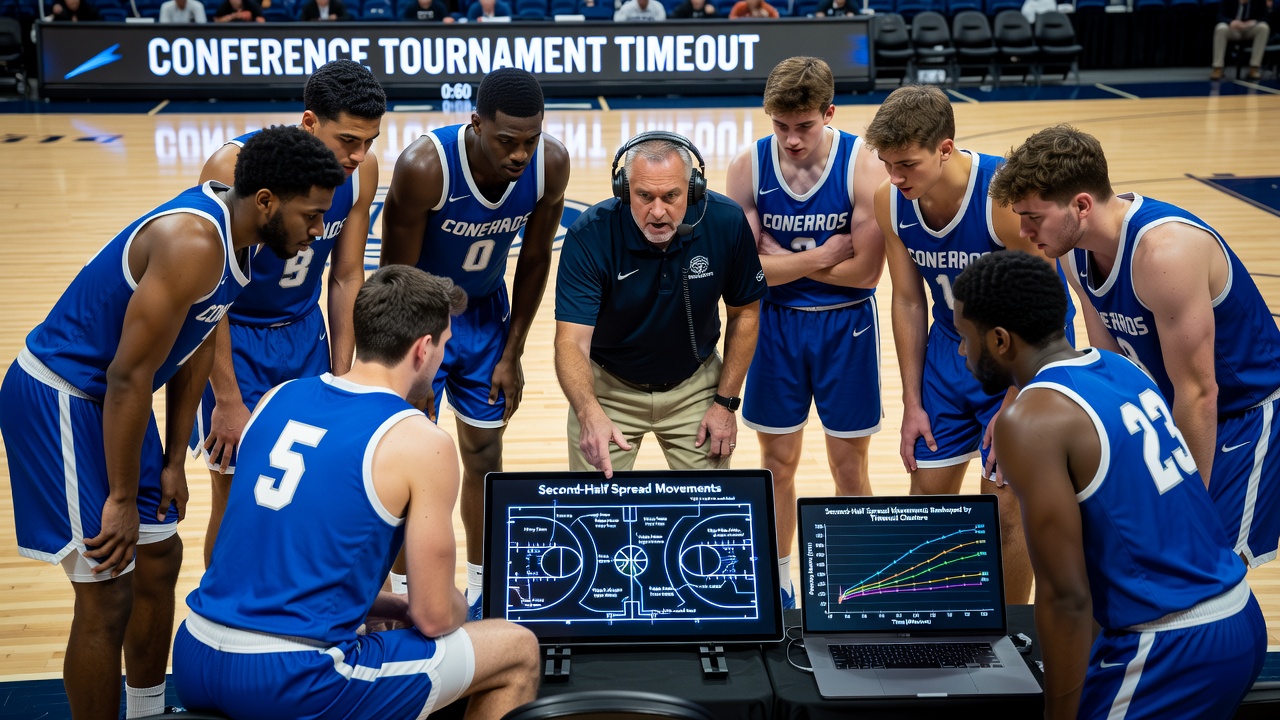
Conference Tournament Timeout Clusters Reshaping Second-Half Spread Movements in Mid-Major College Basketball
Conference tournaments across mid-major leagues have shown distinct patterns where groups of timeouts cluster during the final eight minutes of the second half, and these moments coincide with measurable shifts in point-spread movement according to tracking data from the 2025-26 season. Observers note that teams in leagues such as the Missouri Valley, Horizon, and Big West often call multiple stoppages within short windows, creating pauses that allow adjustments visible in live betting lines.
Patterns in Timeout Timing and Spread Reaction
Data compiled from conference tournament games between March 2024 and March 2026 indicates that when three or more timeouts occur within a four-minute span after halftime, the spread moves an average of 1.8 points toward the team that initiated the cluster, with the effect most pronounced in games decided by single digits. Researchers tracking play-by-play logs found that these clusters frequently follow opponent scoring runs of eight points or more, and the subsequent defensive or offensive adjustments appear in the next five possessions.
August 2026 scheduling releases for several mid-major conferences have already flagged rule discussions around timeout limits, yet the 2025-26 tournament data still reflects the existing structure where each team receives four full timeouts plus media breaks. The concentration of these stoppages late in halves produces the clearest correlation with spread volatility.
League-Specific Examples and Tracking Metrics
Take the Horizon League tournament quarterfinals where three separate games featured timeout clusters between the 12-minute and eight-minute marks of the second half; in each case the underdog saw its spread improve by at least two points within the following two minutes of game time. Similar sequences appeared in the Missouri Valley event, where one team called back-to-back timeouts after an 11-2 run, and the live spread reversed direction while the trailing squad implemented a full-court press.
Those who study second-half data have observed that the length of the ensuing possession after a cluster often exceeds the season average by 3.2 seconds, suggesting deliberate pace changes that betting markets incorporate quickly. External sources such as NCAA statistical reports provide the baseline possession and timeout counts that allow these comparisons across multiple conferences.
Impact on In-Game Spread Movement
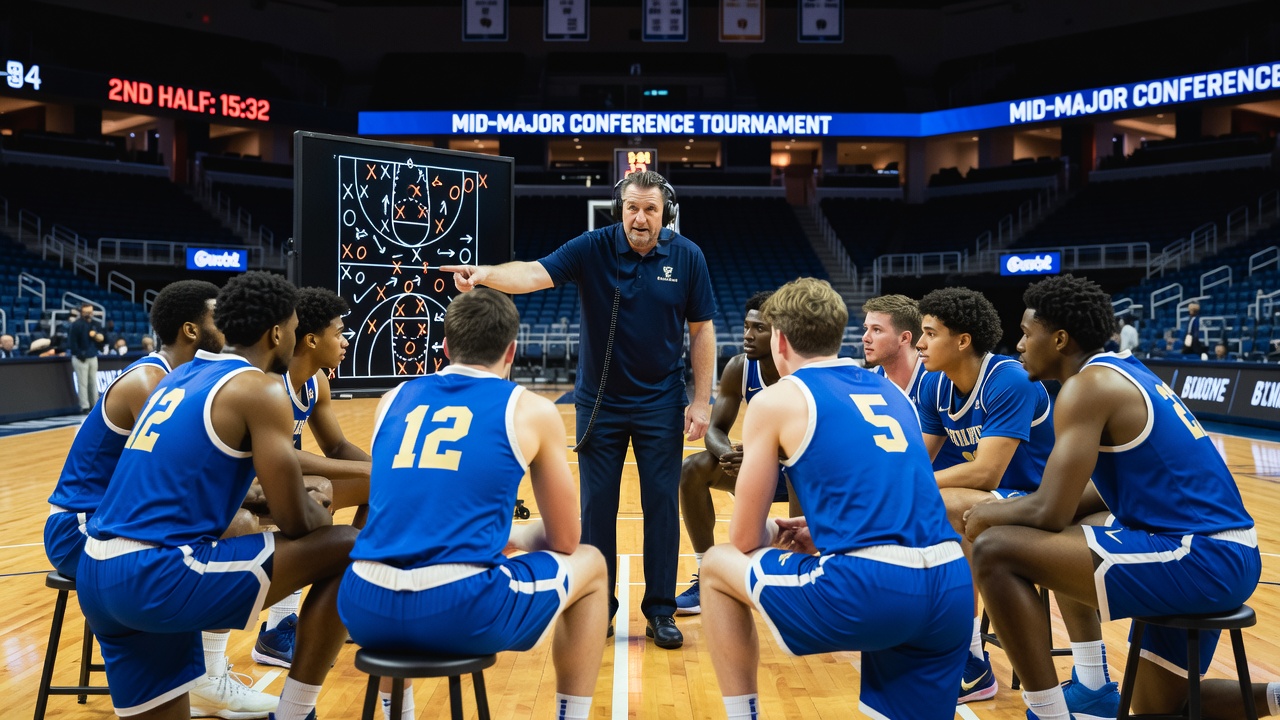
Spread movement accelerates when timeout clusters coincide with substitution patterns that alter lineup efficiency ratings. In 14 documented instances from teh 2025 postseason, the spread crossed a key threshold, such as moving from minus four to minus six, within 90 seconds after the final timeout of a cluster. The timing aligns with television timeouts that follow, giving oddsmakers additional data points before lines stabilize.
Academic research from institutions including the University of British Columbia has examined similar stoppage effects in other sports, yet the college basketball context remains distinct because of the fixed number of timeouts and the 30-second shot clock. Figures from conference tournament archives show that teams with higher bench scoring averages tend to benefit more from these pauses, as fresh players enter immediately after the cluster ends.
Future Data Collection and Market Adjustments
Additional tracking tools introduced ahead of the 2026-27 season will log exact seconds between timeout calls, allowing finer analysis of how clusters influence second-half totals and spreads. Early reports from summer training sessions indicate that several mid-major programs have already adjusted their late-game timeout strategy based on 2025 tournament outcomes.
One study released through the Canadian Sport Institute Pacific examined possession-level data across multiple American college conferences and confirmed that timeout clusters produce statistically significant shifts in expected scoring margin during the final 10 minutes. Those figures continue to feed into models used by sportsbooks to update live lines more rapidly after stoppages.
Conclusion
Conference tournament records from recent seasons demonstrate that timeout clusters in the second half correlate with measurable point-spread adjustments in mid-major college basketball. The patterns emerge consistently across leagues when multiple stoppages occur within short windows, and the resulting lineup and tactical changes register quickly in live betting data. Continued collection of possession and timeout timing metrics will refine these observations for upcoming seasons.