Examining Team Travel Distance Impacts on Performance Metrics in Cross-Country American Football Games
Written by Alex Walter · Aug 18, 2026
Examining Team Travel Distance Impacts on Performance Metrics in Cross-Country American Football Games
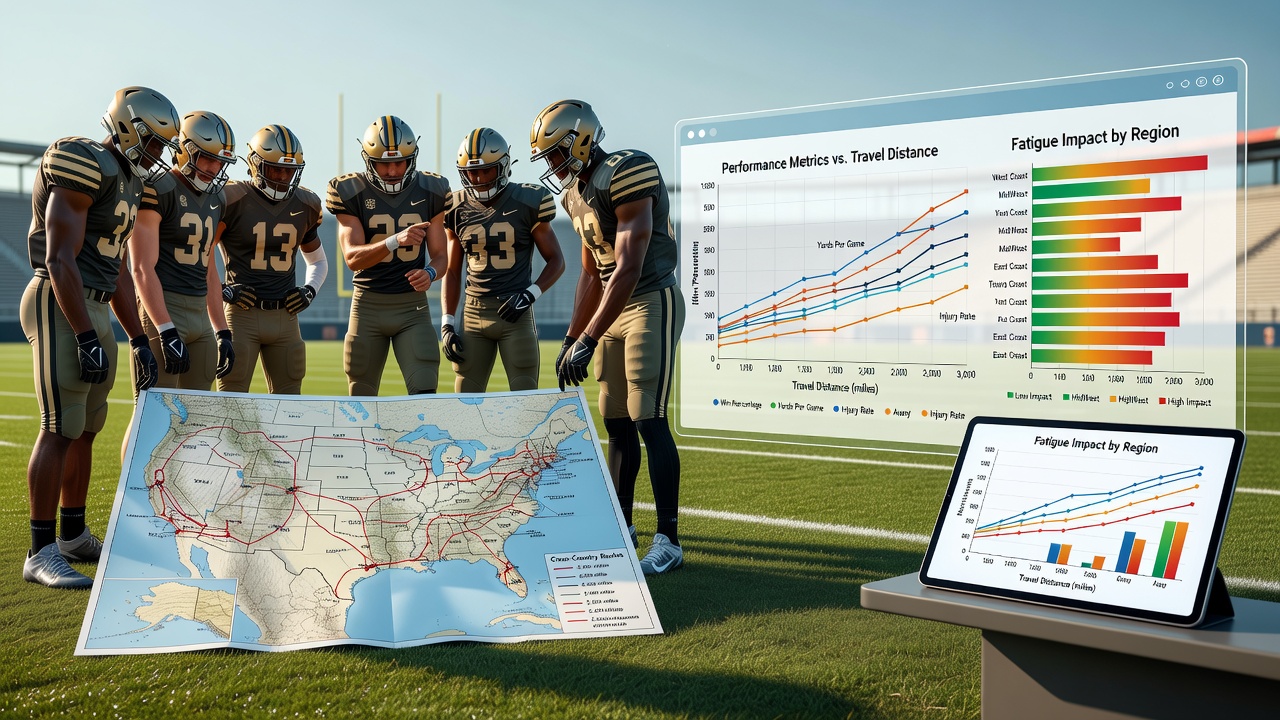
Cross-country travel in American football creates measurable effects on team performance metrics, particularly when games span multiple time zones, and data from recent seasons highlight patterns in points scored, yards gained, and turnover rates. Researchers have tracked these variables across NFL and major college conferences, where teams often cover 2000 miles or more for away contests, and the physical demands compound with schedule disruptions. Observers note that August 2026 schedules already list several cross-country matchups for both professional and collegiate squads, setting the stage for continued analysis of travel-related variables.
Physiological Responses to Extended Travel
Long-distance flights expose players to circadian rhythm shifts, cabin pressure changes, and reduced sleep duration, all of which alter reaction times and endurance capacity. Studies conducted by sports medicine groups show that athletes crossing three or more time zones experience elevated cortisol levels and delayed recovery of muscle glycogen stores, while metrics such as sprint speed and tackling efficiency decline in the first 48 hours after arrival. Teams flying east to west often report greater challenges adjusting to earlier kickoff times, whereas west-to-east travel tends to compress evening rest periods, and both directions correlate with shifts in passing completion percentages and defensive snap counts according to league tracking systems.
Performance Data Across Distance Categories
League records compiled over multiple seasons reveal that teams traveling beyond 1500 miles post lower average point totals in road games compared with shorter regional trips, with rushing yardage dropping by roughly 12 percent and third-down conversion rates falling several points. Figures from the 2025 campaign indicate that cross-country visitors committed turnovers at a 1.4 per game rate versus 0.9 for teams within the same time zone, and red-zone efficiency metrics followed similar trends. Analysts at academic research centers have cross-referenced these outcomes against flight duration logs and found consistent associations between total air miles and reductions in total offensive plays run per contest.
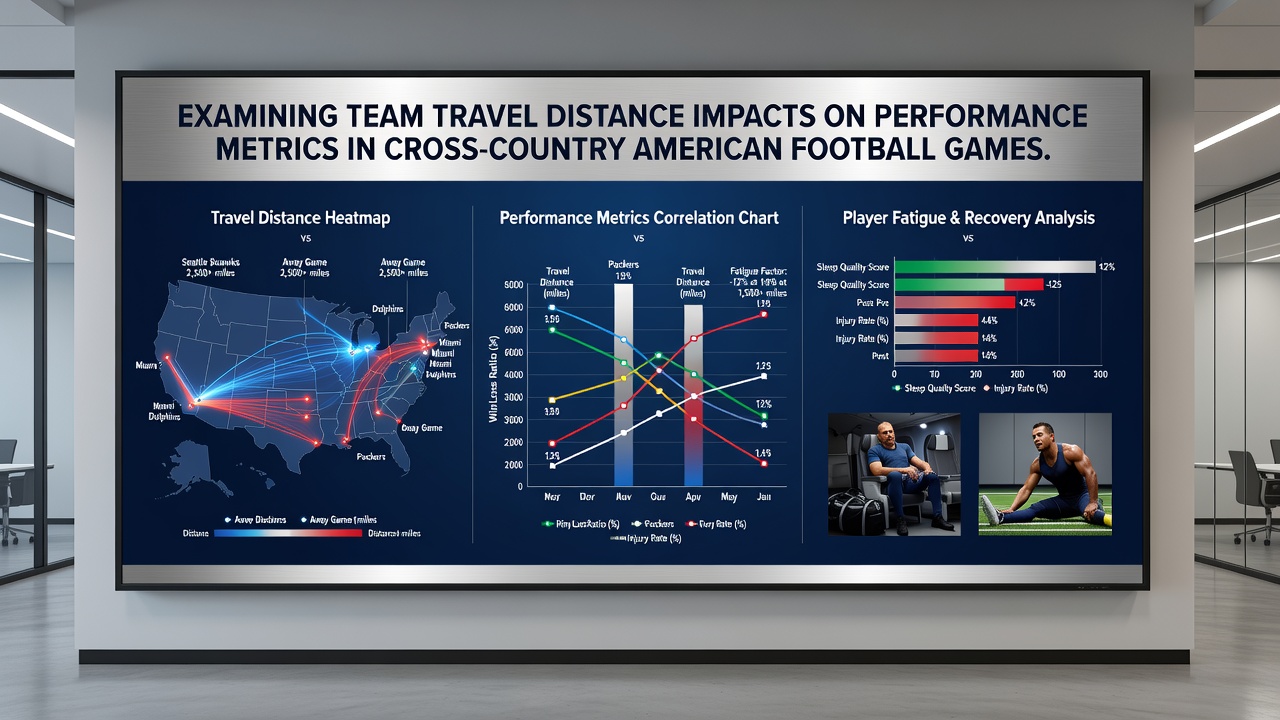
One study released by the American College of Sports Medicine examined 84 cross-country matchups and documented that visiting squads averaged 18 fewer snaps on defense when games followed overnight flights exceeding four hours, while special teams units showed measurable declines in punt return yardage. Data sets from Canadian university football programs that occasionally schedule U.S. opponents echo these findings, confirming that recovery windows shorter than 72 hours amplify the observed gaps in performance indicators.
Mitigating Factors and Scheduling Adjustments
Coaching staffs employ various protocols to offset travel effects, including adjusted meal timing, light exposure schedules, and selective player rotations on the day of arrival. Teams that arrive three full days before kickoff demonstrate smaller decrements in quarterback rating and sack rates than those landing within 48 hours, according to position-specific tracking reports. League scheduling committees have begun incorporating these patterns when constructing August and September slates, and several conferences now mandate minimum rest intervals for cross-country conference games. Equipment crews and medical personnel also adjust hydration and stretching regimens during flights, which some studies link to modest improvements in fourth-quarter yardage totals.
Case Examples from Recent Seasons
During the 2024 campaign a West Coast NFL franchise traveled to the East Coast for a Monday night contest and posted season-low totals in both total yards and time of possession, while the home side recorded elevated defensive snap counts. A similar pattern appeared in a major college bowl game where a Pacific team crossed the country and surrendered 28 points after halftime, coinciding with documented reductions in tackle success rates. Observers tracking these contests noted that return flights the following day often produced elevated injury reports in the subsequent week, particularly among linemen who logged the highest number of plays.
Conclusion
Travel distance continues to register as a quantifiable variable in American football performance metrics, with data sets from multiple leagues demonstrating consistent associations between air miles, time zone changes, and shifts in scoring, yardage, and turnover statistics. Scheduling adjustments, recovery protocols, and medical interventions show measurable influence on these outcomes, and ongoing collection of performance indicators will further clarify the relationships as the 2026 season approaches.