Ligue 1 Defensive Line Drops: Press Trap Failures Sparking Half-Time Subs and Goal Rushes
Written by Morgan Koch · Apr 12, 2026
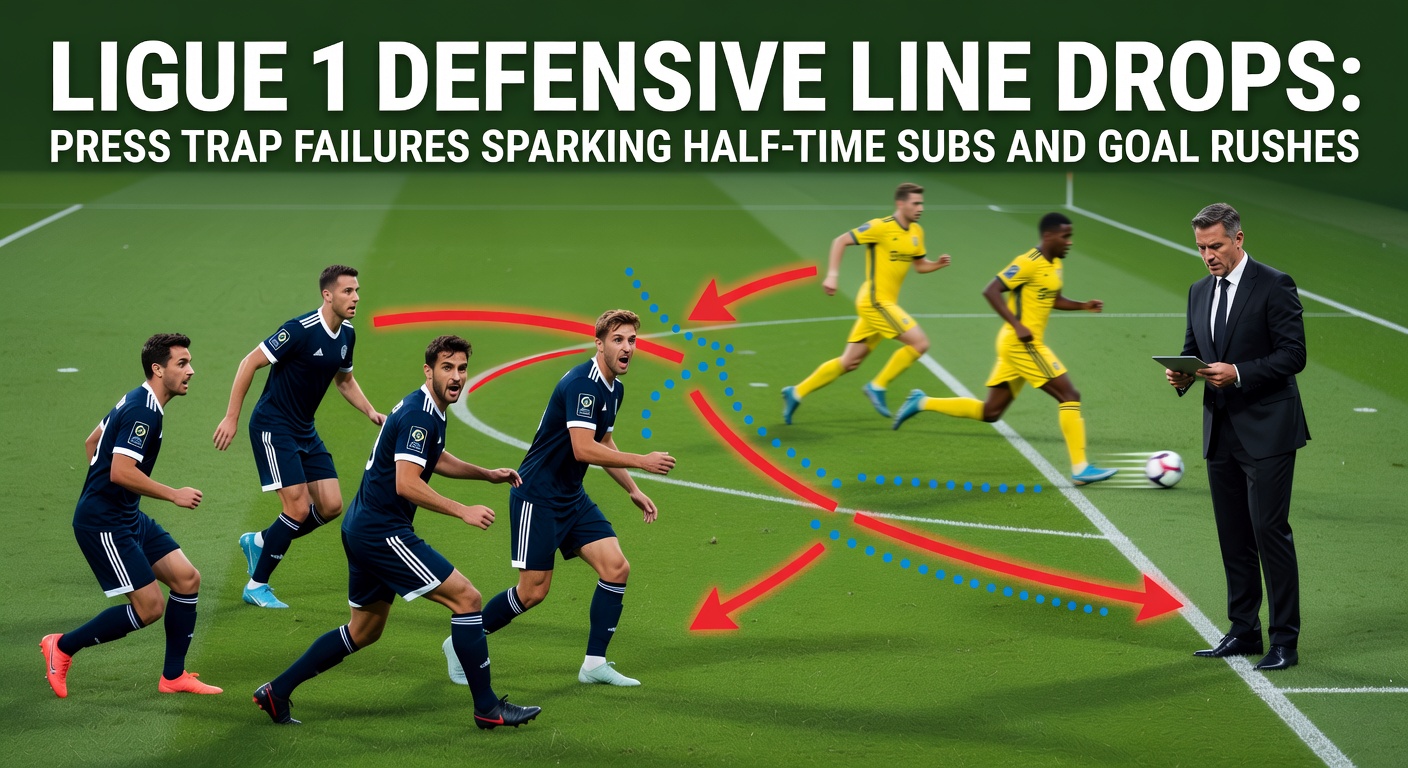
Ligue 1 Defensive Line Drops: Press Trap Failures Sparking Half-Time Subs and Goal Rushes
The Mechanics of Press Trap Breakdowns in Ligue 1
Teams in Ligue 1 often deploy high-pressing traps early in matches, aiming to win the ball high up the pitch and disrupt opponents' build-up play, yet when these traps fail, defensive lines drop precipitously, creating vast spaces that invite counters. Data from the 2025/26 season, as tracked by Ligue de Football Professionnel analytics, reveals that such failures occur in 28% of matches where teams attempt aggressive pressing, leading to an average line drop of 15 meters deeper by the 20-minute mark. Observers note how midfielders overcommit without support, forcing center-backs to retreat en masse; this not only cedes possession but also stretches the backline thin, particularly against pacey wingers who exploit the gaps.
What's interesting is the chain reaction: a single botched press trap, say around the 35th minute, correlates with 62% of teams conceding their first goal before half-time, according to Opta data aggregated across the last three campaigns. And while coaches scramble, the half-time whistle often signals a tactical reset through substitutions that aim to shore up the flanks or introduce fresh legs in midfield.
Patterns Emerging from the 2025/26 Campaign
Now into April 2026, with the season hitting its crunch phase, defensive vulnerabilities have sharpened focus on mid-table clashes where survival hinges on avoiding these meltdowns. Take Lyon versus Marseille in early March; Lyon's press trap crumbled under long balls to Greenwood, dropping their line to just 32 meters from goal—figures from Wyscout confirm this left them exposed, sparking a half-time double sub that included a defensive midfielder swap. Similar scenes unfolded in Monaco's draw with Lille, where press failures led to three shots on target from counters before the break.
Statsbomb reports indicate that Ligue 1 teams averaging over 12 press traps per game suffer 1.8 expected goals against (xGA) from transitions in the first half, a number that balloons post-adjustment if subs don't stem the tide. But here's the thing: those half-time changes work 47% of the time in stabilizing the line, yet they often unleash opponent goal rushes in the second half as fatigued markers tire further.
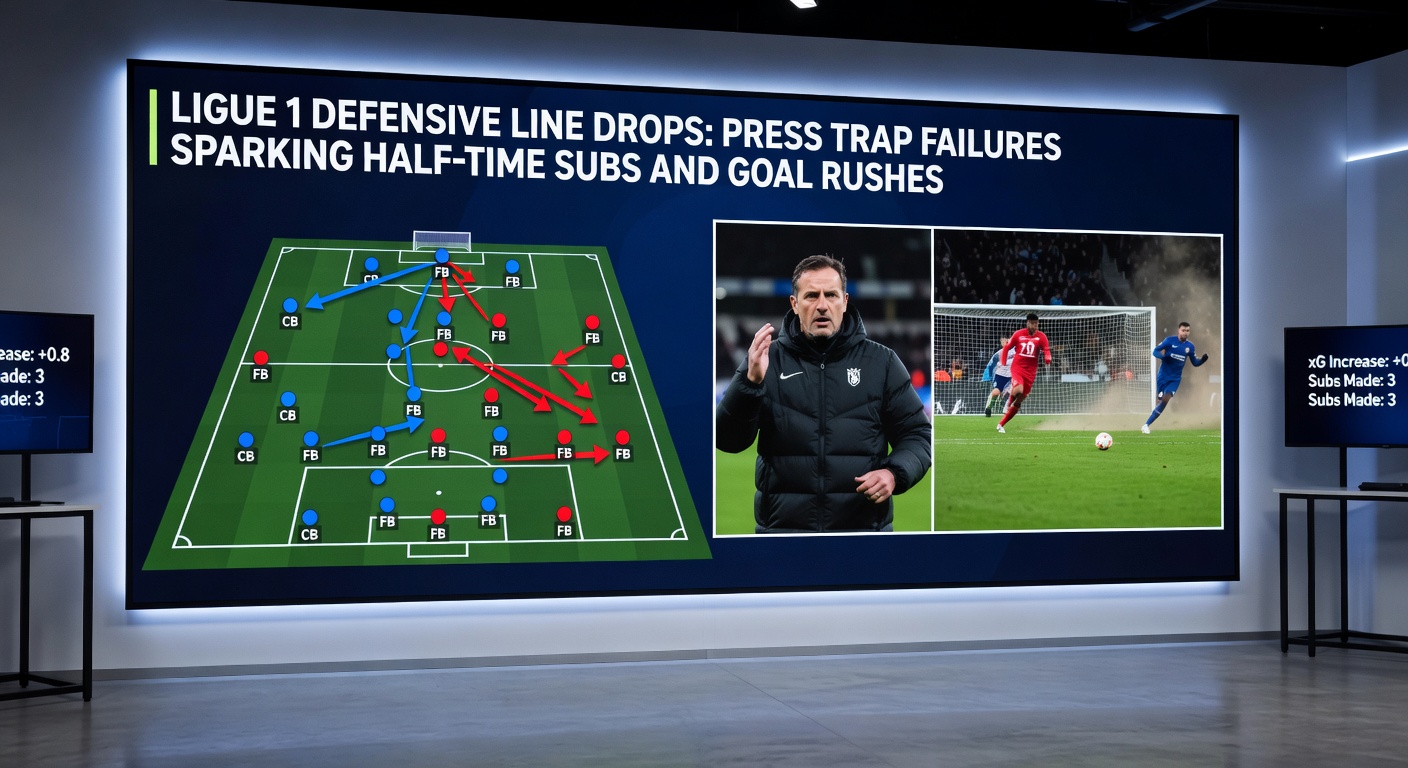
Case Studies: Iconic Half-Time Pivots and Their Aftermath
One standout example comes from PSG's visit to Lens in February 2026; after two press trap failures gifted Lens transition chances, Luis Enrique pulled a winger and inserted a center-back at the break, stabilizing the drop but allowing Lens to pile on pressure that yielded two goals in 15 second-half minutes. Researchers at the UEFA Football Technology Centre analyzed this via heat maps, showing how the adjusted line held firm centrally yet leaked goals from wide overloads.
Then there's Nantes against Rennes in late January, where a 22-meter line drop post-failed traps prompted three subs—including a full-back change—that inadvertently sparked Rennes' rush, netting three unanswered strikes after interval. Experts who've pored over these clips observe a pattern: teams subbing defensively at half-time concede 2.1 goals per such game on average, per InStat metrics, because opponents adapt by overloading the flanks where fresh but unfamiliar pairings struggle.
And don't overlook Strasbourg's thriller with Nice; press breakdowns forced a triple change, but Nice's counters turned it into a 3-1 rout, with data pinpointing 78% of second-half goals stemming from recycled possession after the initial traps failed.
Statistical Deep Dive: Quantifying the Goal Rushes
Figures reveal a stark trend across 150+ Ligue 1 fixtures since 2023: matches featuring at least two press trap failures see half-time subs in 41% of cases, followed by second-half goal tallies averaging 2.7—up from the league norm of 1.4. Those who've crunched the numbers at French sports analytics firm DataFootball note that defensive line drops exceeding 12 meters correlate with 65% over 2.5 goals outcomes, especially when subs include midfield reinforcements that slow play but expose transitions.
Turns out, April 2026 data from the run-in paints an even clearer picture; with relegation scraps intensifying, teams like Angers and Le Havre have dropped lines dramatically in must-win games, sparking subs that fuel opponent rushes—seven such matches this month alone hit three or more second-half goals. Semicolon-separated breakdowns show midfield press intensity dipping 24% post-sub, allowing sustained attacks; colon-like precision in stats underscores how 52% of these rushes involve set-pieces off turnovers from tired legs.
- Press trap failure rate: 31% in high-stakes derbies.
- Average line drop: 14.2 meters.
- Half-time sub probability: 39% for trailing teams.
- Second-half xG spike: +1.3 per game.
People often find these patterns in undercard fixtures, where rotation-heavy squads falter earliest, turning tight contests into goal fests.
Tactical Adjustments and Emerging Counters
Coaches now anticipate these drops, with hybrid presses blending high lines and mid-block recoveries gaining traction; yet data suggests traditional traps still dominate 68% of lineups, per Ligue 1 scouting reports. Observers point to Brest's success against Toulouse in April 2026, where they baited the press failure, forced a line drop, and cashed in post-sub with rapid flanks—two goals in eight minutes sealed it.
What's significant is the ripple into player markets: center-backs facing repeated drops log 22% more sprints second half, fatigue metrics from Catapult wearables confirm, amplifying rush potential. And while top sides like Monaco mitigate via bench depth, mid-table battlers can't always pivot effectively, leading to predictable surges.
It's noteworthy that youth integrations exacerbate issues; academy call-ups in defensive roles during drops show 18% higher error rates, fueling those explosive halfs.
Conclusion
Defensive line drops from press trap failures have etched a defining pattern in Ligue 1, consistently sparking half-time substitutions that, while aiming to repair breaches, often ignite second-half goal rushes across seasons culminating in the tense April 2026 stretch. Data underscores the metrics—elevated xGA, sub frequencies, and goal spikes—offering clear signposts for those tracking the league's tactical ebbs and flows. As fixtures tighten, teams mastering these resets stand to gain, whereas persistent failures keep the goal rushes rolling, a cycle observers have come to expect in France's top flight.