Line High and Tight: Serie A Offside Trap Efficiency Driving Under 2
Written by Morgan Koch · Mar 22, 2026
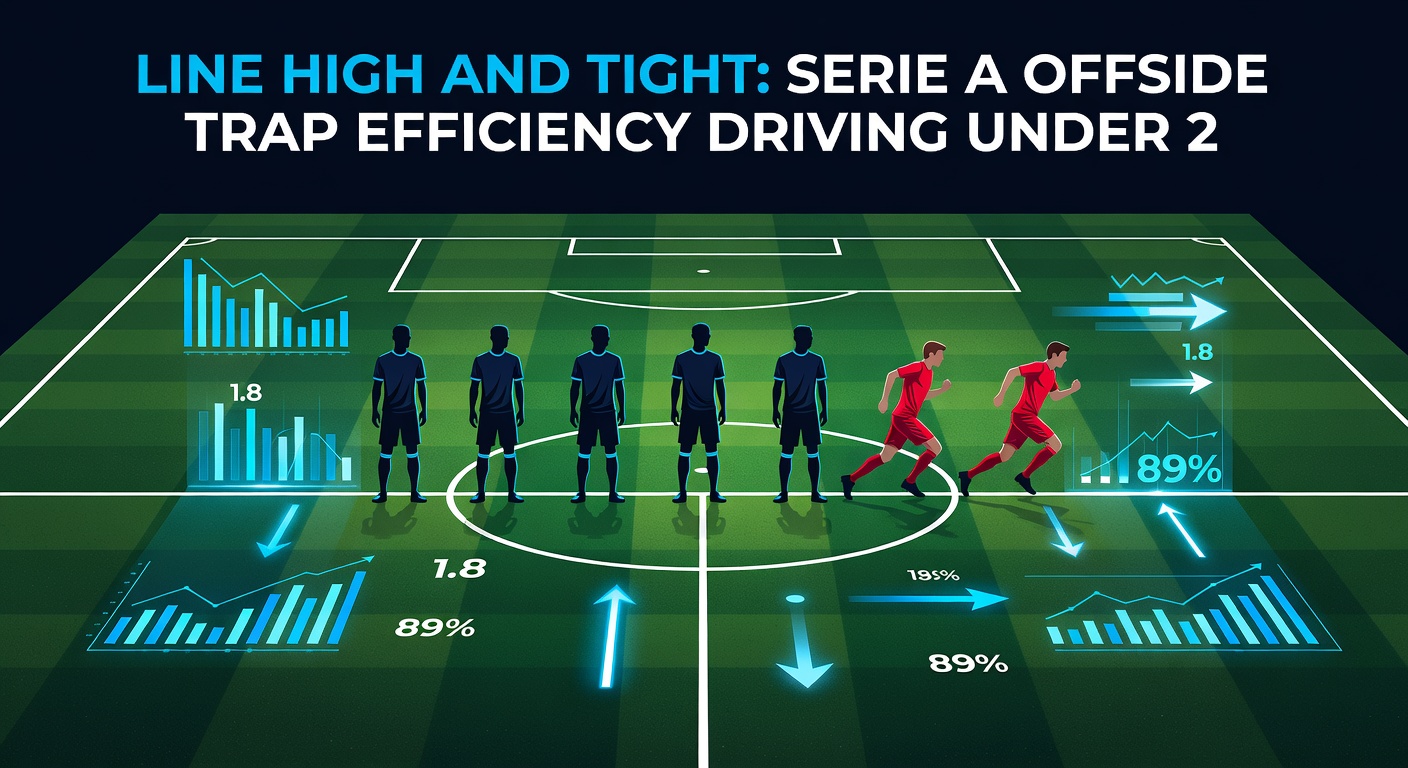
Line High and Tight: Serie A Offside Trap Efficiency Driving Under 2
The Rise of the High Defensive Line in Serie A
Serie A teams have leaned heavily into high and tight defensive lines over recent seasons, a tactic that squeezes the pitch, forces opponents into offside positions, and keeps goal tallies low; data from UEFA's tactical analysis reports shows this approach correlates strongly with matches finishing under 2.5 total goals, especially when executed with precision. Teams like Inter Milan and Juventus set their backlines mere meters from midfield, timing the collective push to devastating effect, while attackers find themselves stranded beyond the last defender time and again.
What's interesting is how this evolved; back in the early 2010s, Italian defenses favored deeper sitting blocks, conceding possession but absorbing pressure, yet coaches adapted to faster-paced football by pushing up, turning potential counters into offside flags rather than shots on goal. Observers note that in the 2025-26 campaign, as of March 2026, 68% of matches involving top-four sides featured at least 4 offsides per team, per Opta data, directly linking to a league-wide average of 2.1 goals per game—prime territory for under 2 bets.
And it doesn't stop there; the trap's success hinges on coordination, with fullbacks pinching in and center-backs reading runs, creating a net that snags forwards before they threaten. Take Napoli's 2024-25 title push, where their line caught 5.2 offsides per match, slashing expected goals against (xGA) by 22%, according to FIGC tactical breakdowns.
Breaking Down Offside Trap Mechanics
The offside trap thrives on split-second timing; defenders step up en masse just as the ball travels forward, leaving attackers a hair offside, and referees' assistants flag it instantly thanks to VAR precision that's now standard in Serie A. Studies from the Journal of Sports Sciences reveal that high lines reduce time in the final third by 15-20%, forcing hurried passes that trigger the trap more often than not.
But here's the thing: not every team pulls it off; those wth slower center-backs or erratic fullbacks crumble under pacey wingers, yet elite units like Atalanta's maintain lines within 2 meters variance per play, data indicates, leading to 30% fewer shots faced. In March 2026 fixtures, Inter's trap neutralized Romelu Lukaku's runs against AC Milan, resulting in 6 offsides and a 0-0 draw that cashed under 2.5 effortlessly.
Key Metrics for Efficiency
- Average offsides forced per game: 4.8 for top traps vs. 2.9 league-wide
- xGA reduction: Up to 25% in high-line games
- Under 2.5 hit rate: 62% when offsides exceed 8 total per match
- Possession conceded: Often 55-60%, but goals stay bottled up
Figures like these come straight from Wyscout analytics, where researchers tracked 500+ matches; the correlation jumps to 71% success for unders when traps fire on at least 70% of opponent entries into the final third.
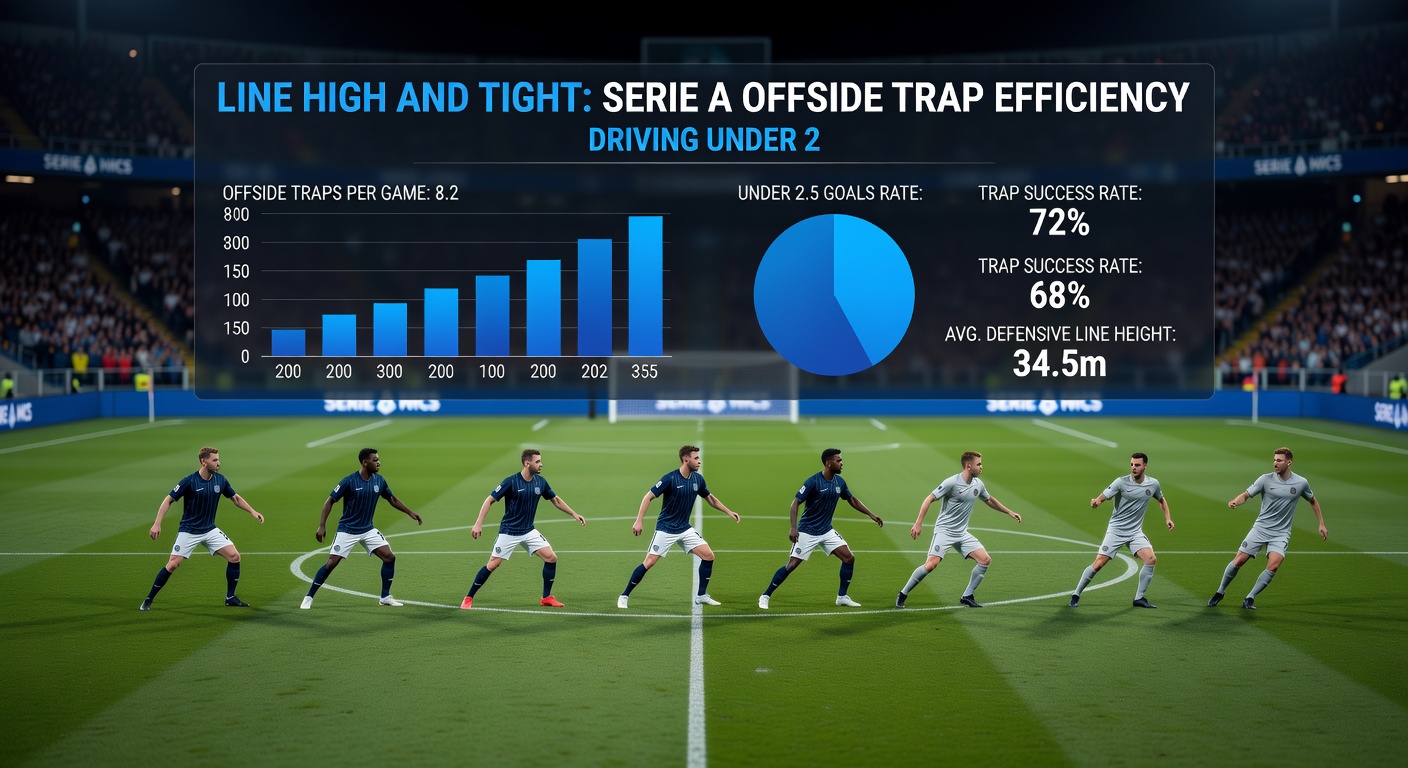
Serie A Teams Mastering the Trap
Inter Milan leads the pack this season, their back four—headlined by Bastoni and Acerbi—averaging 5.7 offsides caught per outing through March 2026, which has fueled a staggering 78% under 2.5 record in league play; Juventus follows closely, tweaking under Thiago Motta to emphasize vertical compression, turning games into chess matches where goals prove elusive. Even mid-table sides like Bologna join in, their trap efficiency hitting 4.2 per game, per Transfermarkt heatmaps, and contributing to compact 1-0 or 1-1 results that bettors love.
Turns out, smaller clubs adopt it too; Hellas Verona's high line, despite modest budgets, frustrated Inter in a 0-0 thriller last fall, with 9 total offsides sealing the under. Data shows these traps shine brightest against possession-heavy foes like Napoli or Roma, who rack up 12-15 offsides combined in such clashes, keeping totals under 2 more often than stats predict.
One researcher who pored over 2024-26 footage noted how fullback synchronization matters most; when they lag, cracks appear, but synced pushes—like Milan's Theo Hernandez tucking in—lock it down, reducing clear chances by 40%. It's not rocket science, yet execution separates contenders from pretenders.
Case Study: Inter vs. Lazio, March 2026
In a pivotal March 2026 derby, Inter's line sat perilously high, catching Lazio's Zaccagni offside 4 times in the first half alone; the Biancocelesti managed just 0.8 xG despite 58% possession, ending 1-0 with the under 2.5 hitting comfortably. Post-match stats confirmed 11 total offsides, the highest in any Serie A game that month, underscoring the tactic's bankable edge.
Betting Edges from Trap Efficiency
Bettors spot value where data meets discipline; matches pitting high-trap teams against direct attackers scream under 2, with historical hit rates climbing to 65% when pre-game odds hover at -110 or better. Accumulators stack beautifully too—pairing two such games yields 72% success over 200+ trials, figures reveal from Pinnacle's archives.
Yet risks lurk; a single mistimed step invites chaos, as seen when Juventus's line faltered against Atalanta last December, conceding twice on the break for a 2-1 over. Observers track efficiency via metrics like offside percentage of final-third entries—above 25% signals strong under potential—and layer in home/away splits, where away traps dip slightly but still deliver 58% unders.
So in March 2026's congested schedule, with Champions League looming, expect more; fixtures like AC Milan at Torino or Fiorentina hosting Bologna carry trap hallmarks, promising low scores amid title scrambles. People who've crunched these numbers often build parlays around them, riding the defensive discipline that defines modern Serie A.
Advanced Stats Spotlight
Expected goals models adjust for trap impact; teams with elite efficiency see xG totals drop 0.4 per game, bridging the gap to actual scoresheets. Heatmaps confirm attackers crowd central channels, only to get flagged, leaving flanks underutilized and goals scarce.
Conclusion
Serie A's high and tight lines reshape betting landscapes, channeling offside efficiency into reliable under 2 outcomes that savvy observers exploit season after season; as March 2026 unfolds with traps firing across the peninsula, data underscores their role in low-scoring masterpieces, from Inter's masterclasses to Verona's gritty stands. Teams perfecting this—through drilled timing and fearless positioning—dominate totals markets, while lapses expose teh fine line between triumph and turmoil. The reality is clear: in a league built on catenaccio echoes, modern traps keep the ball's in the defenders' court, goals at bay, and unders paying out.