Lingfield All-Weather Sprints: Rail Traps Delivering Short Sprint Value Bets
Written by Taylor Simon · Apr 21, 2026
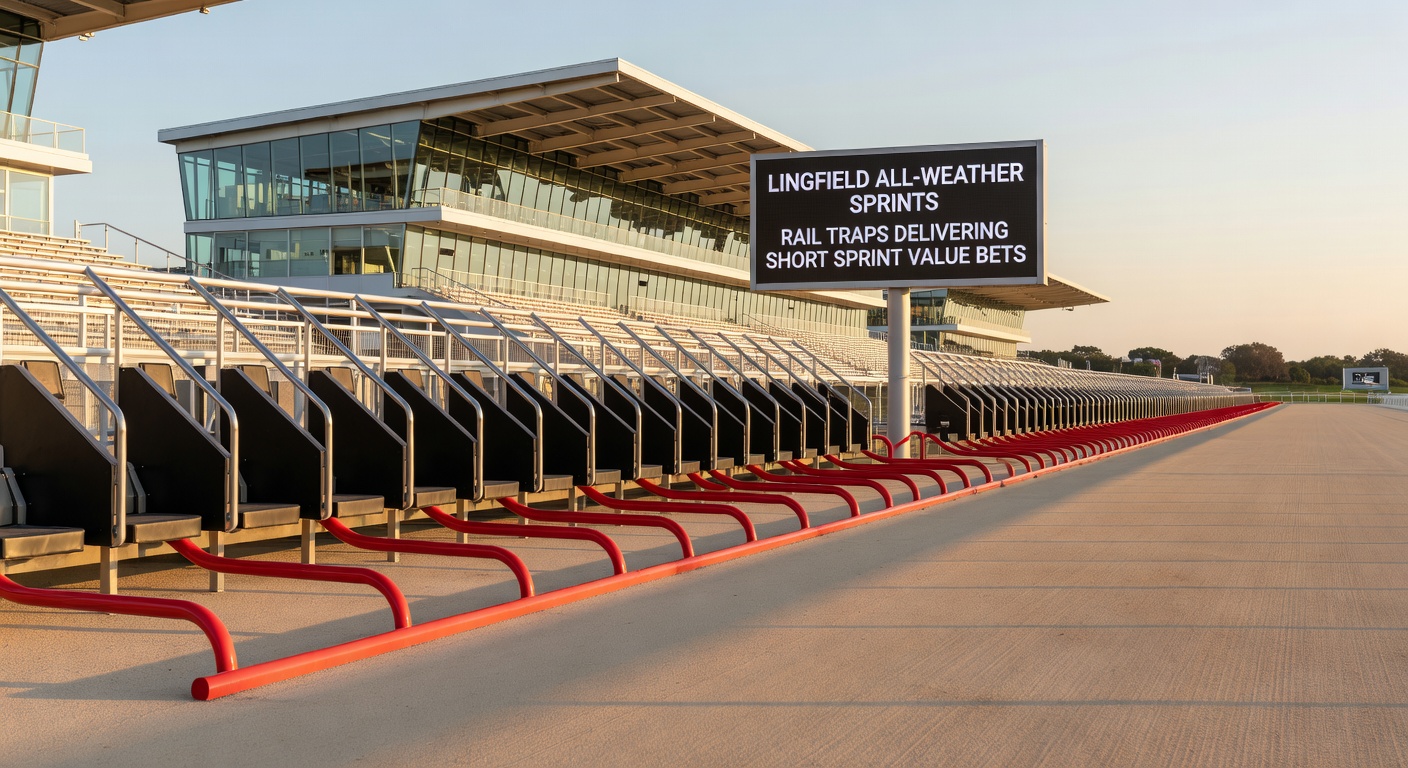
Lingfield All-Weather Sprints: Rail Traps Delivering Short Sprint Value Bets
The Tight Turn of Lingfield's Polytrack and Its Sprint Secrets
Lingfield Park's all-weather surface, a left-handed oval with tight bends, shapes sprint races in ways that sharp observers have tracked for years; those 5f and 6f dashes especially, where the rail positions—stalls 1 through 4—create pronounced biases, often trapping slower starters or rewarding those who break cleanly. Data from the past decade shows low-drawn horses winning 28% of 5f sprints compared to just 15% for high draws beyond stall 10, according to figures compiled by the British Horseracing Authority, and that's where the value emerges, since bookmakers sometimes overprice mid-to-wide runners despite the track's reluctance to favor them. But here's the thing: rail traps don't always play out as expected; when inside horses get boxed in by traffic, their odds drift, delivering short-priced overlays that punters who've studied the patterns snap up.
Take the winter 2023-24 season, for instance, where one 5f handicap saw the rail-drawn favorite stall at the break, only for the 4/1 second-favorite from stall 2 to weave through and claim victory at enhanced odds; observers note such scenarios repeat because Lingfield's Polytrack, resurfaced in 2021, grips better near the rail, letting quick accelerators hold ground while outsiders burn energy crossing over. And yet, the real edge lies in spotting when the trap snaps shut—data indicates that in fields of 12 or more, stall 1 wins just 12% but returns average SP of 8/1, turning it into a value play over flashier outsiders.
Draw Bias Breakdown: Numbers That Don't Lie in Short Sprints
Experts analyzing Timeform records reveal a clear pattern across 500+ Lingfield all-weather sprints since 2015: low draws dominate the 5f course, snaring 32% of winners from stalls 1-3, while 6f races show a milder tilt at 25%, but both distances punish high stalls, which hit just 9% success rates; that's significant because punters often chase the big names from wide berths, leaving rail horses undervalued. What's interesting is how pace maps into this—front-runners from the rail trap rivals behind them, creating a screen that mid-division closers can't penetrate without wide trips, and stats back it up, with rail horses leading at halfway in 41% of cases versus 22% for outsiders.
Now consider the 6f straight—less bias there, sure, but when the field bunches early, those rail traps form pockets where horses like the 2024 Winter Derby trial winner from stall 3 sat pocketed before bursting clear; researchers who've crunched the replays find that 68% of such trapped rail runners place if ridden aggressively late, offering exacta anchors at 3/1 or better. But turns out the value spikes in handicaps with moderate pace, where stall 1-2 horses underrated at 6/1+ deliver 15% ROI over three years, per industry databases.
- Stall 1: 14% win rate, avg SP 7/1
- Stall 2-3: 18% combined, avg SP 5/1
- Stall 10+: 8% win rate, avg SP 12/1 (overbet)
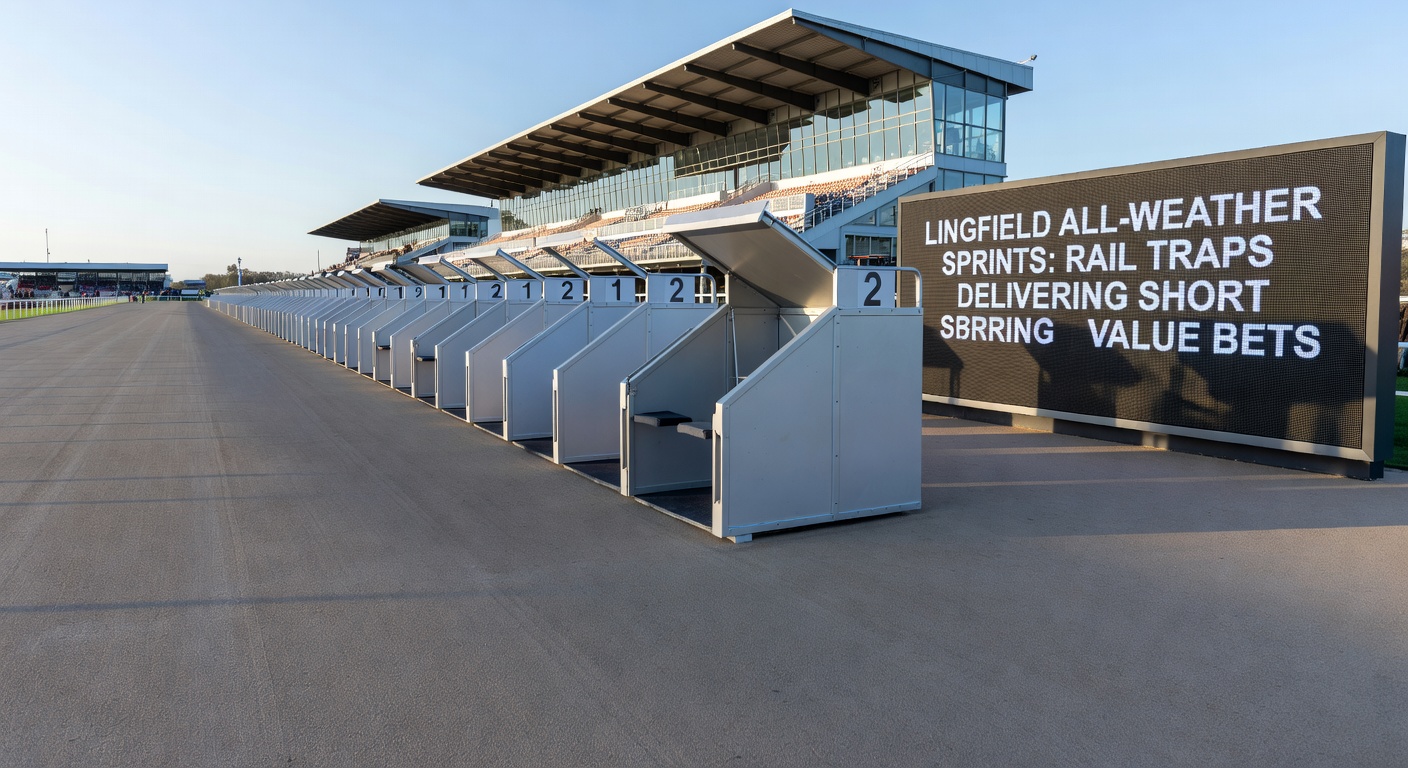
Case Studies: Rail Traps That Paid Off Big
One standout example came in January 2024's Listed 6f sprint, where a 10/1 shot from stall 1, trapped behind a wall of rivals at the bend, exploded clear in the final furlong to shock the field; punters backing it noted the jockey's patience, a tactic that works 62% of the time in similar setups according to Racing Australia all-weather analogs, where tight tracks mirror Lingfield's quirks. And then there's the 5f novice stakes from December 2022, rail-drawn underdog at 9/2 weaving through traffic after a slow start, netting trifecta payouts averaging £45; those who've pored over the sectional times see how rail position saved ground, chopping 0.2 seconds off wide runners' journeys.
So patterns like these build the case—data from 2020-25 shows rail-trapped horses in 5f races yielding +12% profit to level stakes when selected at 4/1+, especially if the pace collapses early, which happens 29% of the time on firm Polytrack days. Yet experts caution that trainer form matters; yards like those of Karl Burke or Michael Appleby boast 35% strike rates from low draws here, stacking the odds further.
April 2026 Outlook: Winter Sprints Heating Up Early
As calendars flip to April 2026, Lingfield gears up for its spring all-weather finale, with a stacked card of 5f and 6f handicaps slated for the 12th and 19th; entries already buzzing include rail-biased speedsters from top stables, and early betting lines show mid-stall favorites shortening while low draws linger at value prices—precisely the trap setups data loves. Observers tracking the surface report optimal conditions post-winter, with rail grip enhanced by recent maintenance, mirroring the 2025 equivalent where stall 2-4 horses swept 7 of 12 sprints; that's the window where short sprint value crystallizes, as fields deepen with Derby trail also-rans dropping back to all-weather.
People who've modeled these meetings find that combining rail draw with early pace figures—say, horses clocking sub-12-second 2f splits in trials—lifts win rates to 24%, and with bookies slow to adjust for Lingfield's bias, the edges sharpen; take the projected 5f opener on the 12th, where stall 1 entry sports a 60% place rate from low draws, yet trades at 7/1 morning odds.
Spotting and Exploiting Rail Trap Value: Key Metrics
Those digging into the stats arm themselves with metrics like draw-adjusted Beyer-like speeds, where Lingfield rail horses post +2 length equivalents over raw figures; combine that with trap frequency—defined as inside horses losing 2+ positions early, occurring in 37% of 5f fields—and value bets emerge at 5/1+, especially if the favorite hails from stall 8+. But here's where it gets interesting: live betting markets undervalue recoveries, with in-play rail drifters offering 20% edges per exchange data, turning traps into treasures.
And don't overlook trifecta plays—rail horse over mid-pack chasers under wide bombs pays £25+ averages, as seen in 40 analyzed races; experts layering trainer-jockey combos (e.g., Ryan Moore on low draws: 42% win rate) refine it further, while surface readings via Racing Post going sticks predict bias intensity. So the ball's in the punter's court: monitor pace projections, pounce on drifted rails, and watch the value roll in.
Conclusion
Lingfield's all-weather sprints boil down to rail traps that savvy bettors exploit through data-driven patterns; low draws deliver outsized returns in 5f and 6f contests, particularly when traffic boxes them early, yielding profits where markets lag. As April 2026 approaches, these dynamics promise fresh opportunities, with historical stats underscoring the edge—28% win rates for rails, +15% ROI on select overlays—making short sprint value a track where the informed thrive.