Mountain Stage Breakaways: Cyclist Positioning Data Reshaping Grand Tour Selection Markets
Written by Alex Lehmann · Jul 2, 2026
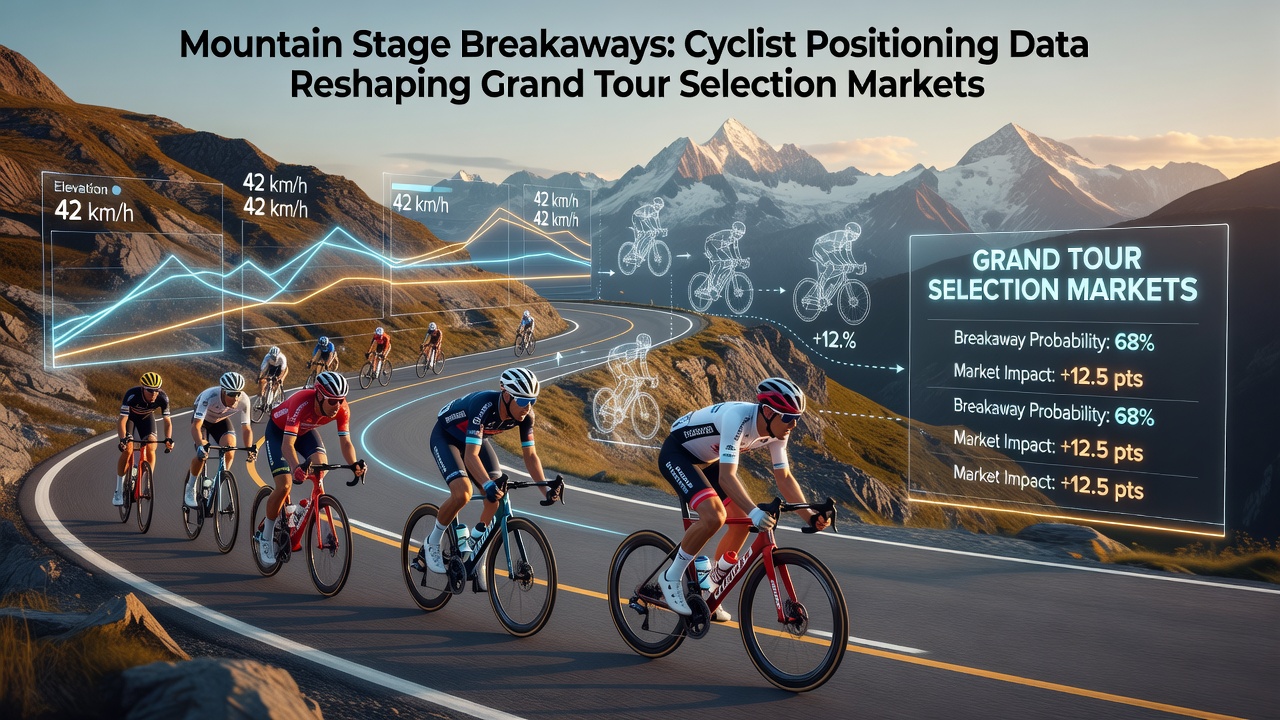
Mountain Stage Breakaways: Cyclist Positioning Data Reshaping Grand Tour Selection Markets
Grand Tour cycling has long featured dramatic mountain breakaways, yet recent advances in positioning data now allow detailed tracking of rider movements, gaps, and power outputs during these decisive moments. Organizers and analysts collect this information through GPS sensors, power meters, and video overlays that map every pedal stroke and wheel placement across climbs like those in the Alps or Pyrenees. Teams review the datasets after each stage to adjust tactics, while betting markets incorporate the same figures when setting odds on stage winners, overall classifications, and selection specials for events such as the Tour de France, Giro d'Italia, and Vuelta a España.
How Positioning Metrics Capture Breakaway Dynamics
Modern sensors record not only speed and heart rate but also lateral positioning within the peloton and the exact distance a rider maintains from the front of a breakaway group. These measurements reveal which athletes conserve energy by drafting precisely behind stronger teammates and which ones expend extra watts fighting crosswinds on exposed sections. Data analysts compare these patterns across multiple mountain stages, identifying riders who consistently move into optimal spots during accelerations or who drop back strategically before key summit finishes. Such insights prove especially relevant during July events when the 2026 calendar places several high-mountain days back-to-back in the middle third of the Tour de France route.
Integration of Data into Grand Tour Selection Markets
Bookmakers and data providers feed positioning statistics into models that adjust probabilities for various outcomes. A rider who repeatedly secures the front position in breakaways on steep gradients receives higher implied odds for stage victories, whereas those who lose ground on the same terrain see their futures prices lengthen. Live markets update rapidly once intermediate timing points post new splits, reflecting whether a breakaway has gained the necessary gap or remains vulnerable to chase groups. Observers note that these adjustments create sharper lines on selections such as top-three finishes or king-of-the-mountains classifications, because the underlying data reduces uncertainty around who can sustain efforts at altitude.
Examples from Recent Grand Tours
During the 2025 Giro d'Italia, several breakaway specialists recorded average positioning values that placed them inside the top 10 percent of riders measured for gap management on the Mortirolo and Stelvio ascents. Those same figures later appeared in pre-stage updates for the Vuelta a España, where markets responded by tightening odds on riders with proven mountain positioning records. One study released by the Union Cycliste Internationale examined 180 mountain stages across three seasons and found that riders maintaining consistent front-third placement in breakaways finished in the top five of stage results 42 percent more often than those starting from the rear third. Teams now simulate these scenarios using historical datasets before each Grand Tour, refining both roster selections and in-race instructions.
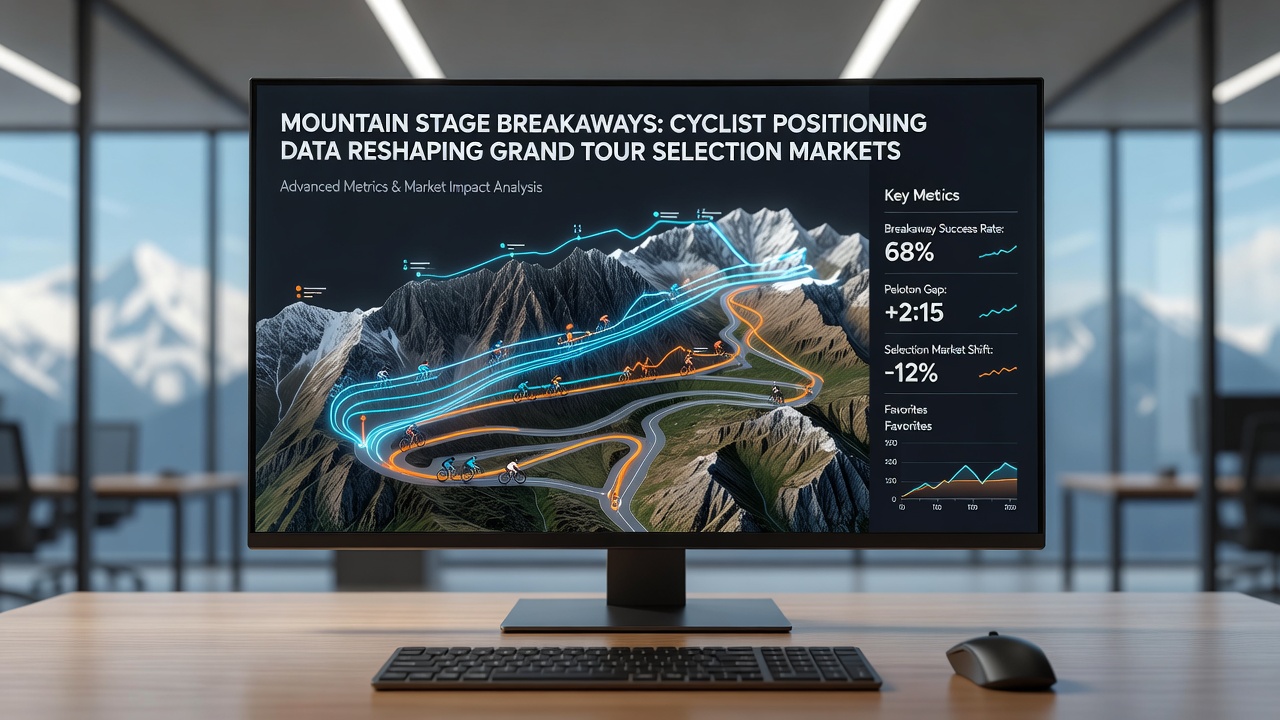
July 2026 brings additional high-altitude stages that researchers expect will generate even richer datasets. The inclusion of new summit finishes and gravel sectors on select mountain days adds variables such as tire pressure choices and body positioning over loose surfaces. Analysts anticipate that these elements will further refine models used by selection markets, particularly for outright winner and stage-win specials. Figures released ahead of the season already show increased trading volumes on mountain-stage props compared with previous years, driven by greater availability of real-time positioning feeds.
Challenges and Limitations of Current Datasets
While positioning technology delivers granular detail, several limitations remain. Sensor accuracy can fluctuate in tunnels or under heavy tree cover, and not every team releases full power files after stages. Regulatory bodies such as the Australian Sports Commission have published guidelines on data transparency that encourage broader sharing, yet adoption varies among WorldTour squads. Consequently, some riders' profiles contain gaps that markets must estimate through indirect indicators like intermediate timing or video analysis. Those gaps occasionally produce line movements that appear outsized relative to visible performance on the road.
Future Developments in Data Application
Equipment manufacturers continue to miniaturize sensors and improve sampling rates, promising even more precise mapping of rider movements within tight groups. Universities in Europe and North America have begun publishing peer-reviewed papers that correlate positioning data with physiological markers such as lactate thresholds measured at altitude. As these studies accumulate, selection markets gain additional layers of information that distinguish between riders who excel in short, explosive breakaways and those who perform better across longer mountain days. The result is a steadily narrowing band of uncertainty around outcomes that once depended heavily on subjective scouting reports.
Conclusion
Positioning data has become a core component of how Grand Tour mountain stages unfold and how associated selection markets evolve. Teams refine strategies from detailed metrics, while market operators incorporate the same information to calibrate odds across multiple events. As the 2026 season progresses through its July schedule, continued improvements in sensor technology and data transparency will likely deepen these connections, offering clearer pictures of which riders thrive when the road tilts upward and the breakaway moves clear of the peloton.