Umpire Strike Zone Variations Across MLB Ballparks Shaping Over Under Totals in Day Games
Written by Taylor Simon · May 21, 2026
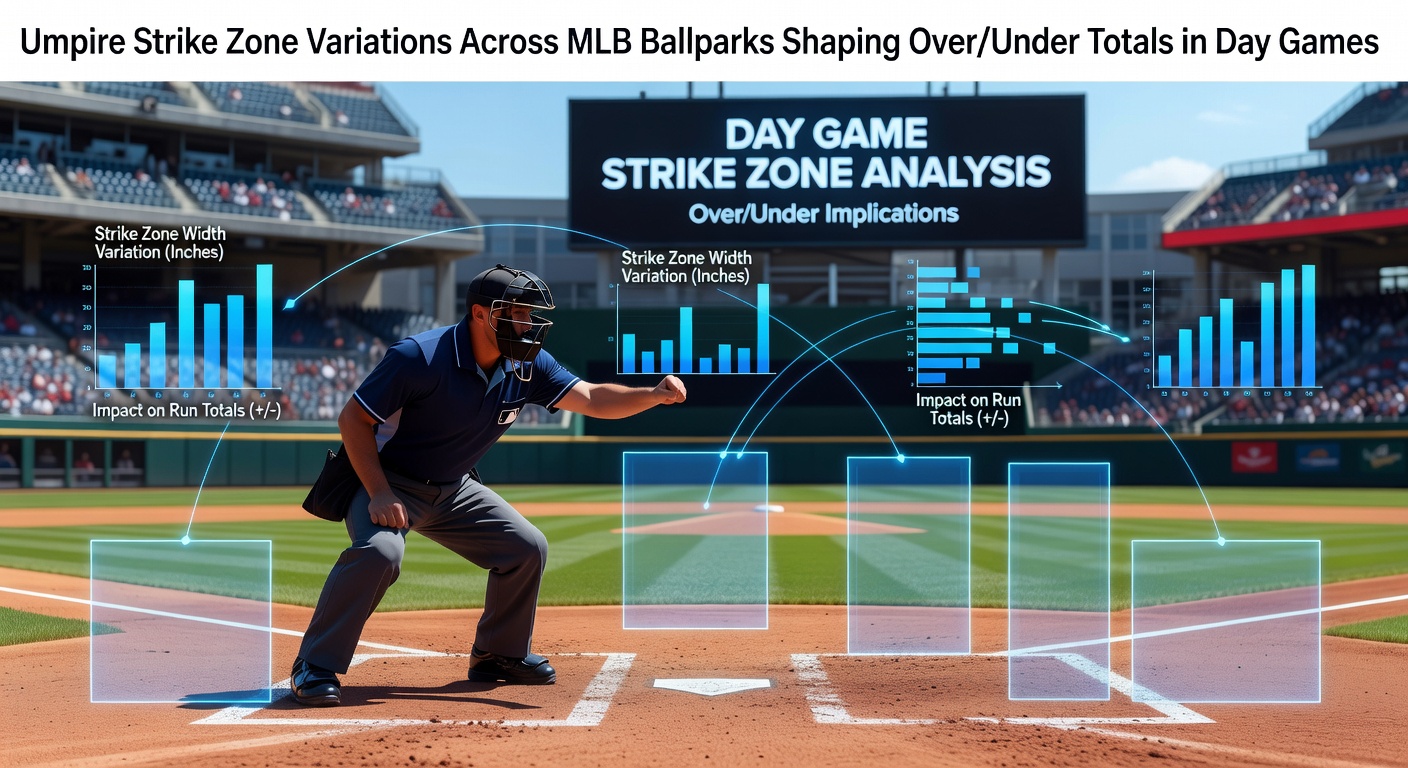
Umpire Strike Zone Variations Across MLB Ballparks Shaping Over Under Totals in Day Games
Observers note that home plate umpires maintain individualized strike zone tendencies that shift measurably from one ballpark to another, and those adjustments directly influence the number of called strikes versus balls in afternoon contests. Research from the Society for American Baseball Research indicates consistent patterns where certain venues produce higher walk rates while others suppress them, creating measurable effects on run totals during day games when sunlight angles and shadow lines alter visibility for both pitchers and arbiters. Data compiled across recent seasons shows that parks with pronounced afternoon glare, such as those oriented toward the west, often see umpires expand the zone vertically while tightening it on the corners. This variation stems from the way natural light hits the catcher's mitt and the batter's stance, forcing officials to rely more on feel than precise visual cues. As a result, pitchers who live on the edges of the plate experience different success rates depending on which stadium hosts the matchup.Ballpark-Specific Umpire Tendencies in Daylight
Studies tracking pitch location data reveal that venues like Dodger Stadium and Oracle Park frequently record strike zones that sit slightly higher than league averages during day games, which reduces swinging strikes on breaking pitches that dive below the knees. In contrast, older facilities with deeper shadows near home plate, including Wrigley Field and Fenway Park, produce zones that appear more compact on the horizontal plane because umpires adjust for intermittent sunlight patches created by grandstand overhangs.
Those adjustments matter because day games in May 2026 continue to feature early-season scheduling patterns that place a higher proportion of contests under natural light rather than stadium illumination. Pitchers working in front of these variable zones record different walk and strikeout splits compared with night games at the same parks, and betting markets have incorporated those splits into over-under calculations accordingly.
Statistical Effects on Run Production
Figures released by MLB's Statcast system demonstrate that ballparks with expanded strike zones in afternoon contests post lower walk rates and correspondingly higher ground-ball percentages, which in turn compresses scoring opportunities. Teams facing pitchers who excel at inducing weak contact benefit from these environments, while offenses built around plate discipline see their on-base percentages decline when the called strike zone drifts outward.
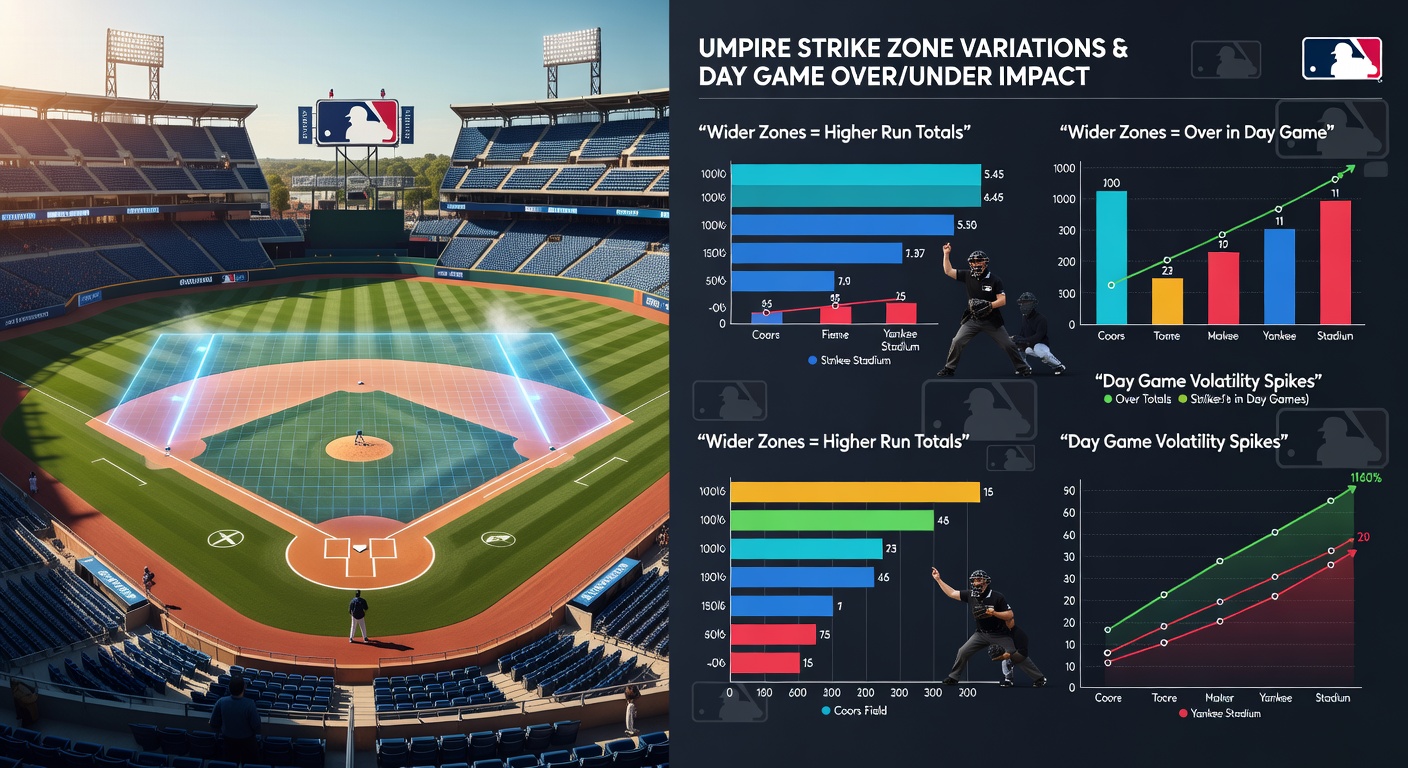
What's interesting is how these zone differences interact with park dimensions themselves. Coors Field, for instance, combines thinner air with a strike zone that tends to ride up in the zone during Colorado's bright midday sun, leading to more fly balls that carry farther. That combination pushes over totals higher even though the raw called-strike percentage sits near league norms.
Tracking Patterns Through 2026 Data
Through the first two months of the 2026 campaign, analysts tracking umpire crews have isolated several arbiters whose zone boundaries shift by as much as two inches vertically when moving from enclosed stadiums to open-air parks. These micro-adjustments accumulate over a series, particularly when the same crew works consecutive day games under similar weather conditions. Pitchers and catchers who communicate effectively about the current umpire's habits gain an edge in pitch selection that shows up in reduced runs allowed during those specific starts.
External factors such as temperature and humidity compound the effect because they influence both ball movement and umpire comfort behind the plate. Warmer May afternoons tend to produce slightly larger zones across most venues, yet the magnitude of that enlargement still varies by facility orientation and seating configuration.
Implications for Totals Betting Markets
Market makers adjust over-under lines for day games by incorporating historical park-and-time-of-day strike zone data alongside traditional factors like wind direction and starting pitcher handedness. When a venue consistently produces tighter zones in afternoon windows, teh projected run total drops because fewer borderline pitches reach base via walks and more at-bats end in contact. Conversely, parks where umpires grant extra width see elevated pitch counts and longer innings that inflate scoring.
One study released by researchers at the University of Queensland examined pitch-tracking data from multiple leagues and found parallel tendencies in how officials adapt to ambient light, reinforcing the notion that environmental variables beyond park dimensions shape called zones in measurable ways. Those findings align with observations from MLB crews who rotate through venues with vastly different sight lines during the same week.
Conclusion
Strike zone variations across ballparks remain a persistent variable that shapes day-game outcomes in ways that extend beyond raw park factors. Data from ongoing 2026 tracking shows these differences continue to influence walk rates, contact quality, and ultimately the totals that appear on betting boards. Teams and analysts who monitor umpire-specific tendencies alongside venue lighting patterns gain clearer projections for afternoon contests, while the broader league adjusts scheduling and training protocols to account for the same environmental realities.